
The Devil is in the Details: Fantastic Schemes and the Quiet Champions of Urban Infrastructure
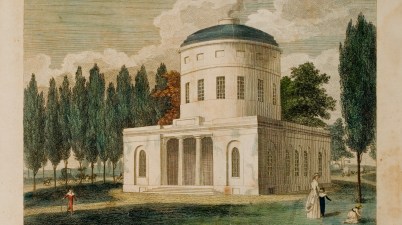
Keith Pluymers on the quiet heroes working to keep Philadelphia's streets free of floods and filth in the eighteenth century.

Considering Uncertainty
Djoeke van Netten gives some behind-the-scenes insights into the making of this year's special issue ‘Mapping Uncertain Knowledge’ and the many academic uncertainties navigated along the way.

“Those Curious Repositories of the Sentiments and Actions of Men”
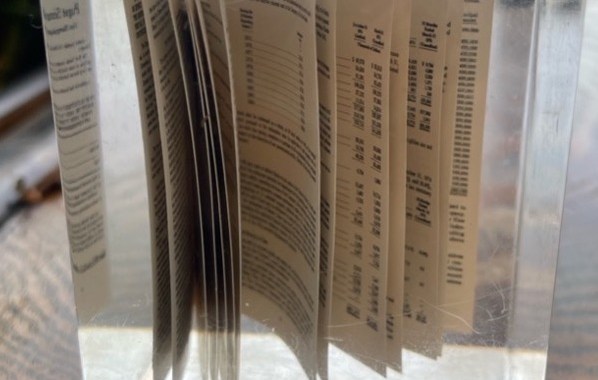
How did an eighteenth-century antiquarian go about collecting and classifying typographical antiquities? Find out in this post on Joseph Ames’ 1749 history of printing.
Common and Not So Common Serendipities of Research
To what extent do serendipitous encounters shape our research? This author met her local collaborators by chance on the internet.
Why Write the History of Ignorance?
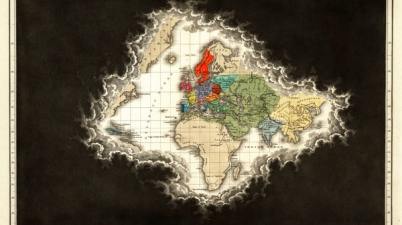
No one would like to be called a "Professor of Ignorance," yet we know that ignorance has a history. This suggests that historians should find a way to write it.
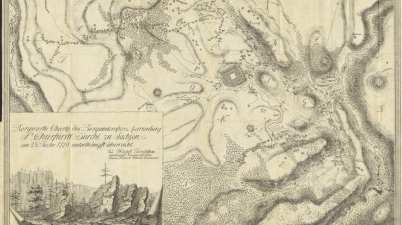
Extraction with Restraint: Data Practices in Eighteenth-Century Mining
Holding back for future gain: How archives and bureaucracy aided “sustainable” investment strategies in Amsterdam and Saxony.
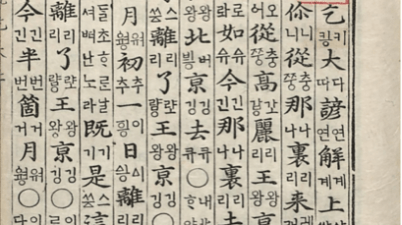
Furnishing an Apt Response: Language, Interpretation, and Bureaucratic Knowledge in Early Modern Korea
In Chosŏn Korea, good interpreters required knowledge and skills that went far beyond language learning: their unique practices allowed them to navigate a both rigid and volatile bureaucracy.
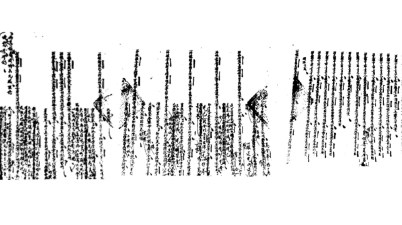
One Missing Document, and the Problem of Documenting History in the Imperial Archive
What started out as a simple paper chase soon became a project about Qing efforts to generate and track information about local administrative activities...
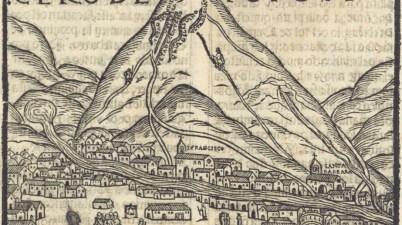
Useful to Whom? How Bureaucracy Shapes What We Know about Technology in the Early Modern Iberian State
Historians often describe Iberian administrators as diligent record keepers of “useful” knowledge, but what motivated local bureaucrats was often the desire to show that they knew how to follow the rules.
 JHoK Blog
You must be logged in to post a comment.