
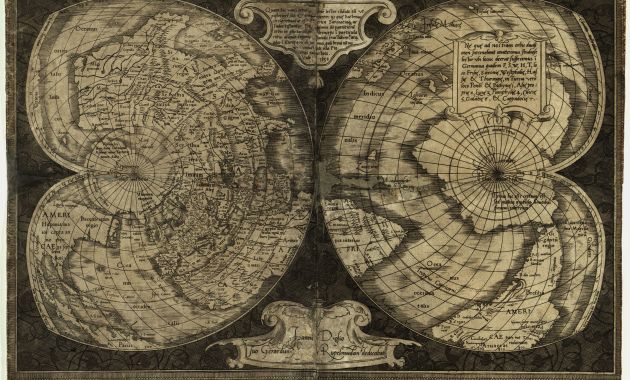

“Those Curious Repositories of the Sentiments and Actions of Men”
How did an eighteenth-century antiquarian go about collecting and classifying typographical antiquities? Find out in this post on Joseph Ames’ 1749 history of printing.
Adventures in Cross-Contextualizing Archives
How can different sources, archived centuries apart on disparate continents, speak productively to one another? This blogpost explores how cross-contextualization can help write new, global histories of knowledge.

Common and Not So Common Serendipities of Research
To what extent do serendipitous encounters shape our research? This author met her local collaborators by chance on the internet.
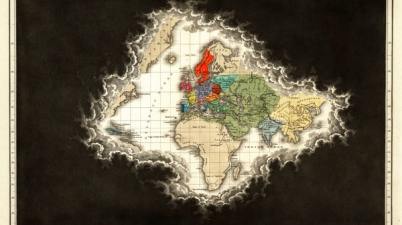
Why Write the History of Ignorance?
No one would like to be called a "Professor of Ignorance," yet we know that ignorance has a history. This suggests that historians should find a way to write it.
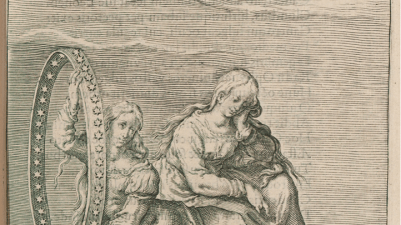
The Renaissance Night Sky?
The painted sky not only fascinates kids at the museum, it also reveals an understanding of the Milky Way as shaped by the interaction of different types of knowledge.

Disegno and Knowledge Production in Early Modern Rome: tracing a new research topic
Members of two Accademie in Rome agreed that “All humans, by nature, desire knowledge,” yet their views on the role of disegno in knowledge acquisition differed. Walking around Rome helped reveal subtle differences and connections.
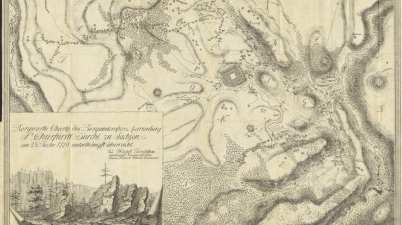
Extraction with Restraint: Data Practices in Eighteenth-Century Mining
Holding back for future gain: How archives and bureaucracy aided “sustainable” investment strategies in Amsterdam and Saxony.
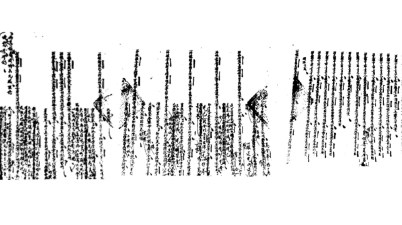
One Missing Document, and the Problem of Documenting History in the Imperial Archive
What started out as a simple paper chase soon became a project about Qing efforts to generate and track information about local administrative activities...
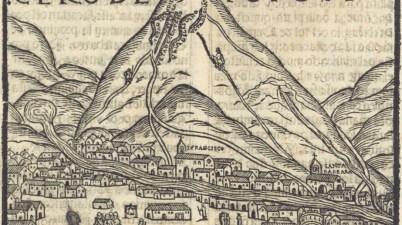
Useful to Whom? How Bureaucracy Shapes What We Know about Technology in the Early Modern Iberian State
Historians often describe Iberian administrators as diligent record keepers of “useful” knowledge, but what motivated local bureaucrats was often the desire to show that they knew how to follow the rules.
 JHoK Blog
You must be logged in to post a comment.