
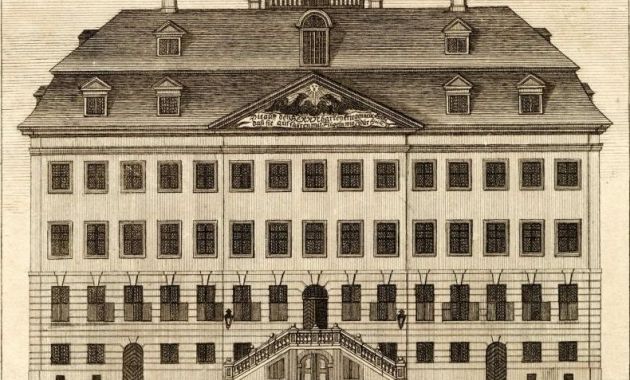

The Biggest, the Most Blank of the World’s Blank Spaces
How was Africa mapped before it was unmapped in the eighteenth century? Find out in this blog post by Petter Hellström.
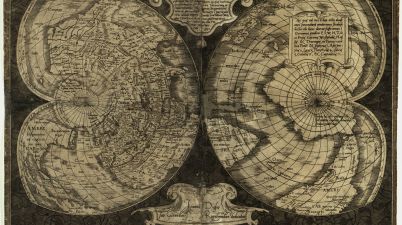
Considering Uncertainty
Djoeke van Netten gives some behind-the-scenes insights into the making of this year's special issue ‘Mapping Uncertain Knowledge’ and the many academic uncertainties navigated along the way.
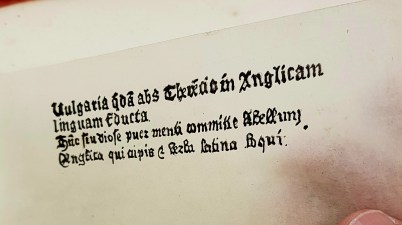
“Those Curious Repositories of the Sentiments and Actions of Men”
How did an eighteenth-century antiquarian go about collecting and classifying typographical antiquities? Find out in this post on Joseph Ames’ 1749 history of printing.
Common and Not So Common Serendipities of Research
To what extent do serendipitous encounters shape our research? This author met her local collaborators by chance on the internet.

Natural Science as Humanistic Knowledge: Negotiating Epistemic Legitimacy in Sweden, 1800–1850
Scientists, physicians, and state officials argued that the mental and moral development of students resulted from studying nature—just like their peers in philology and classical languages.
 JHoK Blog